September 25, 2026
A move can make ordinary routines difficult for a few days. Furniture must pass through doorways and stairwells, belongings need careful handling, and people still have work and family commitments to meet. Those demands do not disappear because the new address is nearby. Hiring a moving company brings experienced help to the physical work, giving a household or business more room to manage the change around it.
Experience Helps the Work Flow
Moving day rarely follows a direct path from one doorway to another. Large pieces may need extra attention in a narrow hallway, while a building's stairs or elevator can affect how the work proceeds. People who handle relocations regularly can adjust to those constraints. That familiarity can keep an awkward item from holding up everything else that needs to move.
The physical work of a move belongs to a much larger labor market. According to the U.S. Bureau of Labor Statistics, annual openings for hand laborers and material movers are projected to average about 904,200 over the 2025–2035 period. That figure includes jobs well beyond relocation, where handling goods is part of daily operations. A moving company brings this kind of labor into a home or workplace for a concentrated period, with experience that helps it account for the particular belongings, access points, and timing involved.
Heavy Lifting Takes Less of a Toll
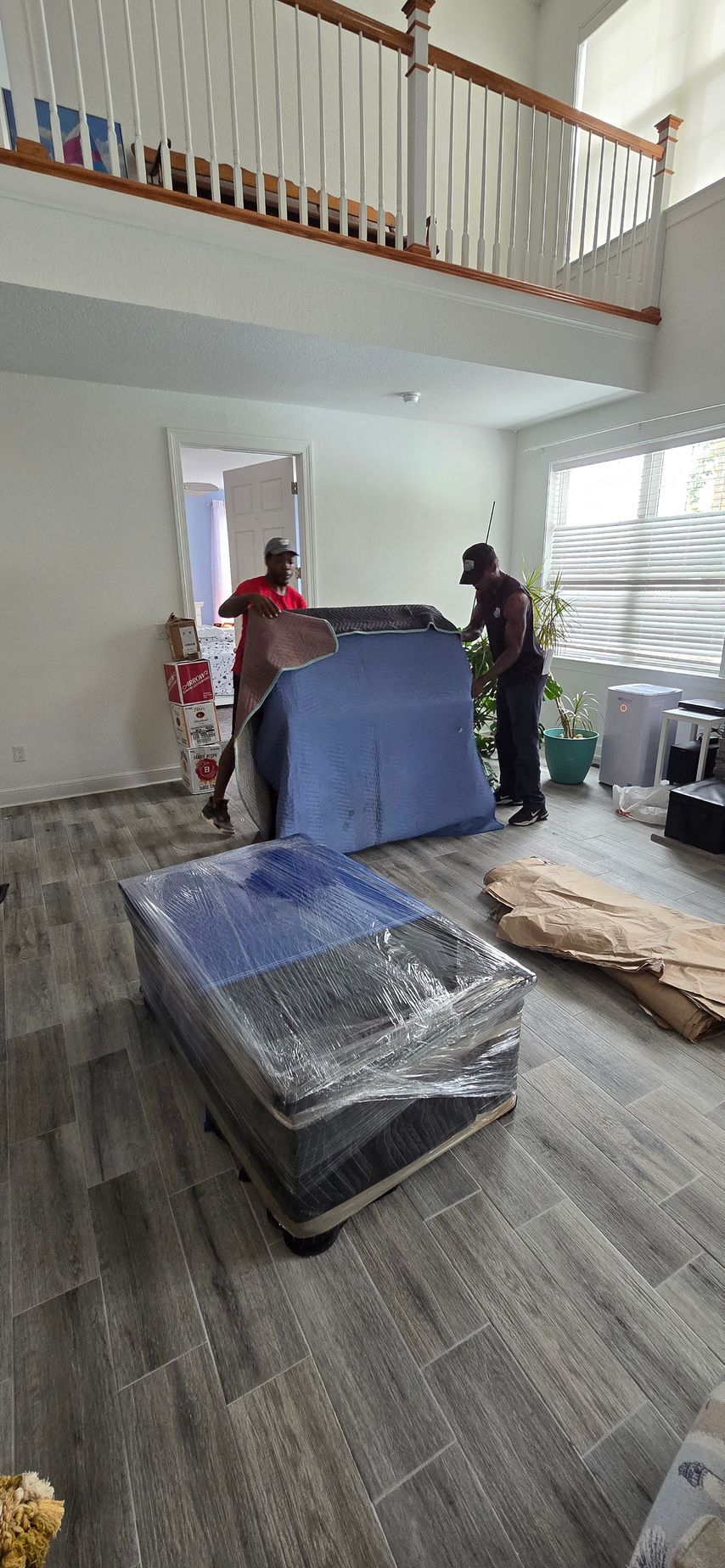
A large item can be difficult to handle even when its weight seems manageable. A sofa may fit comfortably in a room yet be awkward to carry around a corner, while a tall bookcase can be difficult to steady through a doorway. Movers familiar with furniture can assess the space as they work and handle bulky pieces with greater control. This helps limit strain on the people moving and calls for attention to surrounding walls, floors, and doorframes.
The effort also adds up over the course of a move. Carrying belongings through a house, down apartment stairs, or into a new workplace takes time and energy that residents or employees may need elsewhere. Professional help places much of that work with people accustomed to it. Meanwhile, those relocating can concentrate on the decisions and commitments that continue throughout the day.
Valuable Pieces Get Individual Attention
The contents of a home or workplace cannot all be handled in the same way. A large sectional poses a different problem from an antique, and a piece of artwork may require more careful handling than an ordinary box. Movers experienced with furniture and specialty items can respond to those differences as they arise. For owners, the benefit is knowing that an item's particular needs are part of the move, rather than an afterthought.
Pianos and safes illustrate why that attention matters. Their size and weight make changes of direction demanding, particularly where a hallway or doorway offers little room to maneuver. A moving company with specialty moving services can address these items as part of the same relocation, giving their handling attention alongside everything else.
Packing Help Frees Up Attention
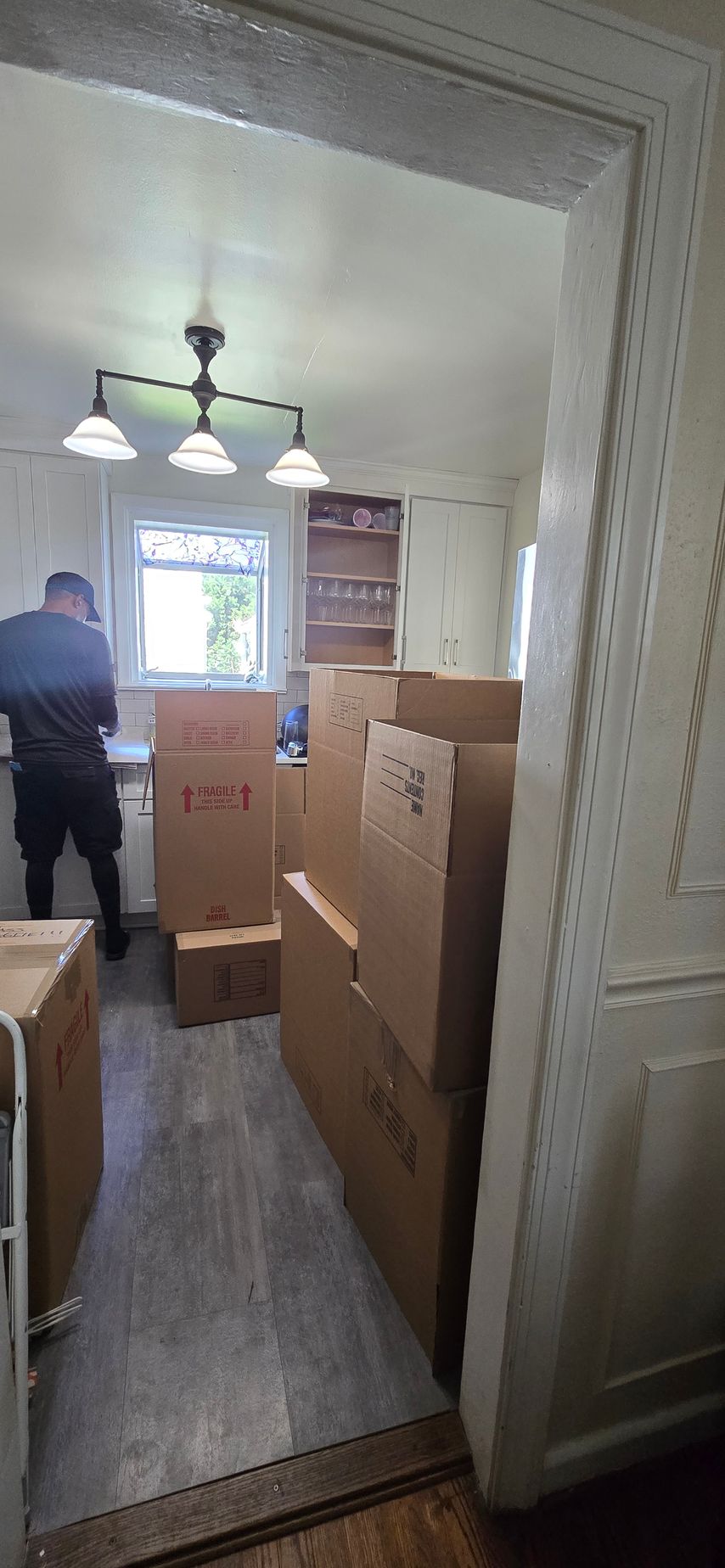
Packing competes with daily life long before moving day arrives. People still need to use their kitchens, offices, and bedrooms, which means some belongings remain in place until close to departure. Professional packing services can take on that work while residents or staff deal with the other parts of the transition. The assistance is especially useful when the time available for preparation is limited.
Unpacking can matter just as much after arrival. Belongings may have reached the destination, but a home or workplace does not feel functional while everyday items remain inaccessible. A moving company that provides both packing and unpacking lets customers seek help at either end of the move, according to what they need. That choice can make it easier to return to familiar routines without making the relocation the only demand on the schedule.
Different Spaces Bring Different Challenges
An apartment move can involve stairs, elevators, narrow entrances, and shared hallways. Those features change how furniture leaves one home and enters another, even if the addresses are only a short drive apart. In a larger house, the difficulty may instead be the volume of belongings spread across several rooms. Experienced movers adapt their handling to the property as well as to the items inside it.
These access issues remain relevant whether the next address is nearby or across state lines. A local move still calls for attention to heavy furniture and limited access, while a long-distance move means belongings spend more time in transit before reaching their destination. Hiring a moving company that handles both types of relocation gives customers help matched to the journey ahead. The distance changes, but the need to handle belongings carefully at both properties remains.
Businesses Can Keep Their Focus on Operations
For a business, a relocation affects the people who depend on the workspace as well as the items inside it. Office furniture, technology, and documents need to reach the new location before employees can settle back into their work. Professional commercial movers handle that physical transition while staff remain focused on customers and other responsibilities. The less time essential belongings are unavailable, the easier it is to resume normal activity.
Other workplaces have different needs. A warehouse may have inventory and shelving to relocate, while an industrial facility may need help moving heavy equipment. A moving company experienced with commercial settings can account for the kind of property involved instead of treating every business move like an office move. That distinction makes the assistance relevant to the way the workplace actually operates.
Flexible Timing Helps When Plans Shift
Moving dates do not always unfold neatly. The time to leave one property may be fixed while access to the next is delayed, or a change in plans may shorten the window available for the move itself. Availability outside standard hours and the possibility of same-day service can give someone more options in those circumstances. Discussing the schedule helps clarify which options fit the available window.
Temporary storage can help with a different scheduling problem: belongings may have to leave one property before they can enter another. A mover offering storage between moves can keep the transition from depending on a perfect match between those dates. Storage answers a specific gap between addresses, while flexible service hours can help when the moving window itself changes.
Clear Expectations Make Decisions Easier
Before moving day, the people involved benefit from understanding what the job includes. An in-home estimate gives a customer an opportunity to point out difficult furniture, specialty items, or access concerns while the mover learns what needs to be transported. A free quote offers another way to discuss the help required. These conversations can clarify whether packing, unpacking, or storage would be useful for the particular move.
Credentials provide another concrete point of comparison. Asking whether a mover is licensed, bonded, and insured helps customers make an informed choice, though those terms alone cannot promise a complication-free move. Experience with the kind of relocation involved matters as well, whether the destination is across town, out of state, or simply another room. The aim is to choose support that fits the belongings, the space, and the timing.
Professional help is most useful when it responds to the move people actually face, including the parts that are hard to anticipate until plans take shape. With the physical work in experienced hands, residents and businesses have more attention for what follows the move. At A Friendly & Affordable Mover, we approach residential and commercial moves with care for the belongings and timing involved. We can discuss your plans and provide a free in-home estimate.